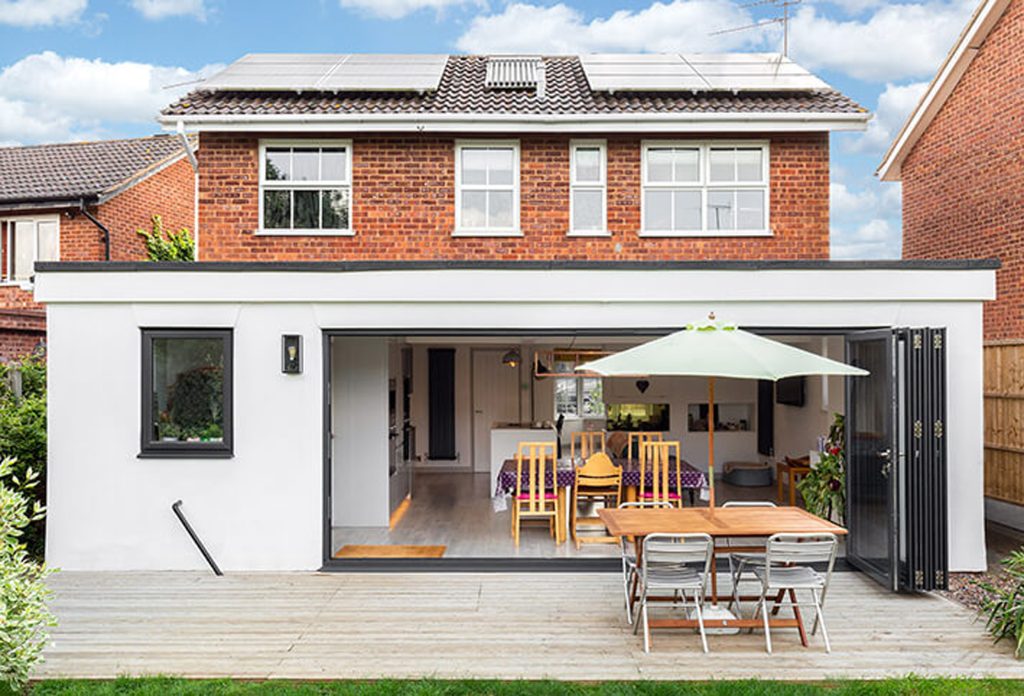
Expanding your home offers a practical way to gain space without the significant expense of moving. For homeowners considering improvements, adding a conservatory represents a smart investment in property value and daily comfort. Finding reliable information about conservatories in Surrey helps you make informed choices about materials, planning permissions, and design. This guide explains how to approach your extension project, offering direct advice on selecting styles and managing the construction process smoothly.
The Benefits of a Conservatory
Building an extension creates a versatile environment flooded with natural light. A glass-walled structure provides a distinct thermal advantage during sunny winter afternoons, acting as a heat trap that warms the adjoining rooms. You gain a dedicated area for dining, working from home, or simply resting with a clear view of your garden. Furthermore, property experts frequently note that well-constructed additions increase overall house market values significantly. By integrating modern glazing technology, temperature control becomes manageable all year round. You avoid the excessive summer heat and winter chill that plagued older glass rooms. This functional improvement makes the investment highly practical for growing families requiring extra breathing room.
If you want to add more space and natural light to your home, go to Google and search for “conservatories Surrey” to find trusted local specialists.
Choosing the Right Conservatory Style
Selecting an appropriate architectural match for your property dictates the long-term success of the extension. Victorian and Edwardian designs feature pitched roofs and ornate detailing, complementing older traditional brick homes perfectly. Alternatively, lean-to styles offer clean, straight lines that suit contemporary properties with strict height restrictions. You must also decide between glass or solid roofs. Solid tiled options blend seamlessly with your existing house roofline, providing excellent insulation and a permanent room feel. Glass roofs maximise light transmission, bringing the outside in. Review your daily habits and the primary function of the room to determine which structure best supports your lifestyle needs.
Planning Your Conservatory Project
Proper preparation prevents costly delays during construction. Local council regulations dictate how large you can build without formal planning permission. While many small extensions fall under permitted development rights, properties located in conservation areas face stricter controls. You should check the local planning portal before finalising any dimensions. Positioning also demands careful thought. A south-facing structure receives maximum sunlight but requires adequate ventilation and shading solutions to prevent overheating. Conversely, a north-facing position stays cooler, necessitating efficient heating systems for winter use. Hiring a reputable local installer who understands regional building codes simplifies this preparation phase, taking the administrative burden off your shoulders.
Enjoying Your New Space
Once the builders leave, the focus shifts to interior decoration and functionality. Flooring choices impact the room’s temperature and acoustics. Stone tiles provide durability and hold heat well if you install underfloor heating, while wood-effect finishes offer a softer visual appeal. Selecting appropriate furniture prevents the area from feeling cluttered. Rattan and light oak pieces withstand fluctuating temperatures better than heavy mahogany. Adding fitted blinds or tinted window films gives you control over glare on bright days. By making thoughtful interior choices, you establish a comfortable retreat that bridges the gap between your main house and the garden.
A New Chapter for Your Home
Expanding your living quarters transforms how you interact with your property on a daily basis. Taking the time to thoroughly research your options in terms of materials and architectural styles is a crucial step that helps guarantee a final result that truly meets, and perhaps even exceeds, your expectations. The planning phase is where your vision begins to take shape, so it’s important to be methodical.
Start by carefully measuring your available garden space to understand the physical constraints and possibilities. With these dimensions in mind, you can then set a realistic and comprehensive budget for the entire build, accounting for construction, finishing, and any unforeseen costs. Once you have a clear financial framework, contacting several experienced installers for detailed quotes will give you a much clearer picture of what is achievable within your budget. This comparative process also helps you gauge the market and find a partner you trust.
Are you ready to move forward? Take the first step today by requesting a no-obligation site survey from a trusted local specialist.