A wet room is a completely waterproofed bathroom where the shower area sits at the exact same level as the rest of the floor. It removes the necessity for standard shower trays or bulky enclosures. This creates an open, highly accessible environment that transforms how you use your bathroom. Many homeowners struggle with cramped traditional layouts, but removing physical barriers instantly improves the room’s flow. By treating the entire room as a shower enclosure, you gain total freedom over the design and functionality.
Benefits of a Wet Room Bathroom
A wet room bathroom offers significant advantages for homeowners looking to maximise space and improve accessibility. By removing physical shower enclosures, you open up the room, creating an illusion of greater square footage. This open-plan approach makes the area highly accessible for individuals with mobility challenges, as there are no steps or awkward trays to negotiate. Estate agents frequently note that a well-constructed wet room increases a property’s overall market appeal. A properly installed waterproof space represents a premium home upgrade, appealing to buyers who value modern, inclusive design principles.
Design Considerations for Your Wet Room
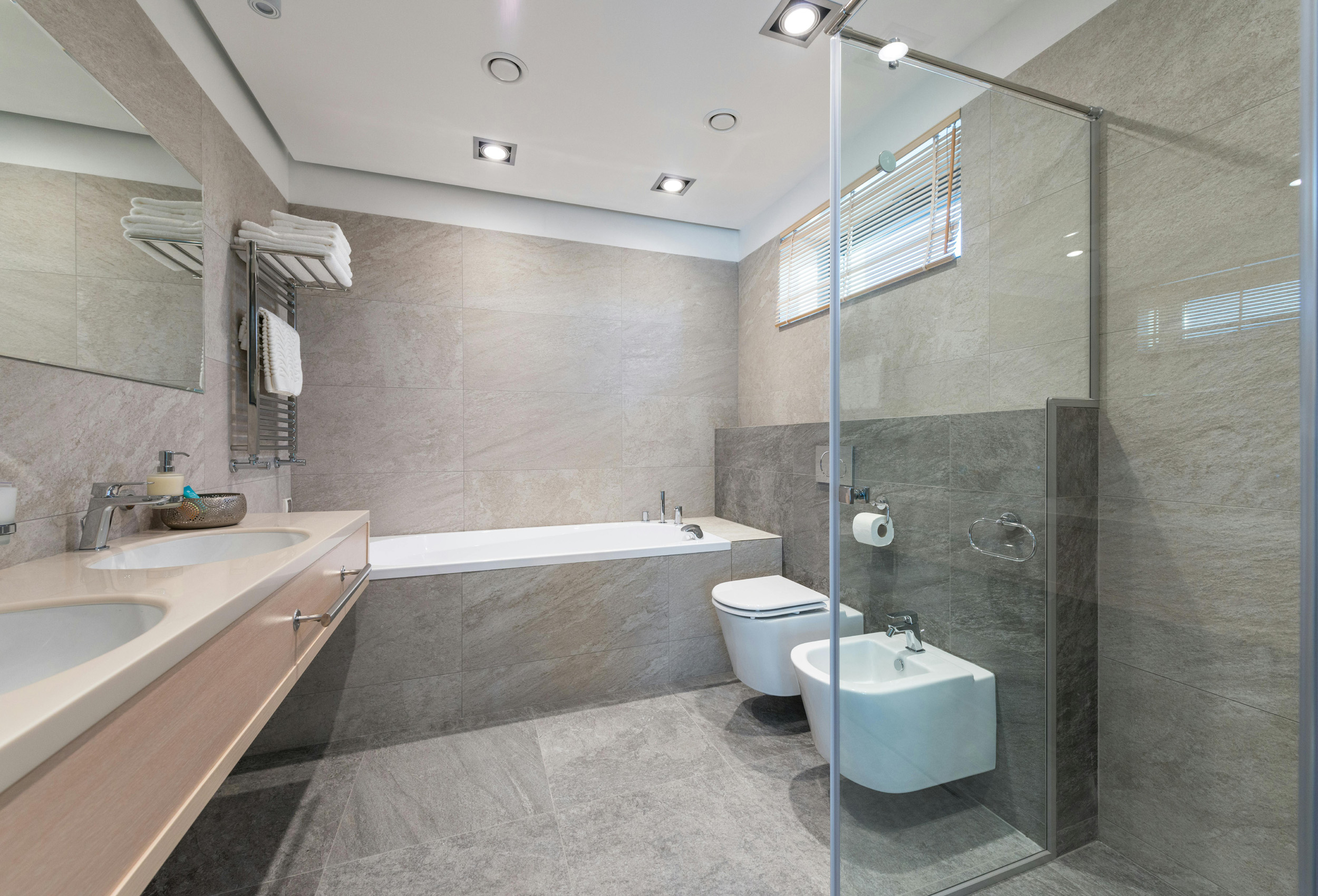
When planning your new space, think carefully about the placement of key fixtures. Although the room is fully waterproof, position items like dry towels and toilet paper away from the primary splash zone. Placing a simple, frameless glass screen near the shower head helps contain water spray without compromising the open aesthetic. You must also consider your heating and ventilation strategies. Underfloor heating helps dry the floor quickly, while powerful extractor fans are essential to manage high moisture levels and prevent dampness.
Waterproofing and Drainage Solutions
The success of this bathroom style relies entirely on effective waterproofing, frequently referred to as tanking. Tanking involves applying a liquid waterproof membrane to the floor and lower walls before tiling begins. This process stops leaks from damaging the underlying timber or concrete structure of your home. Drainage is equally critical. Your installer must create a slight gradient in the floor substrate to direct water smoothly into the drain. Linear drains are a popular choice because they sit flush with the floor and handle high volumes of water efficiently.
Flooring and Wall Options for Wet Rooms
Selecting appropriate surface materials is vital for both safety and visual appeal. For the floor, non-slip tiles are mandatory to prevent accidents on wet surfaces. Porcelain and natural stone are excellent choices because they resist water penetration and offer high traction. On the walls, large format tiles reduce the number of grout lines, making the area easier to clean while providing a modern appearance. If you prefer a different finish, specialised vinyl safety flooring offers fantastic grip and water resistance, providing a practical alternative to traditional ceramics.
Installation Process and Tips
Fitting a wet room requires skilled tradespeople, as the plumbing and waterproofing demand precise execution. The first step involves stripping the room back to its structural framework. Plumbers then alter the pipework to accommodate the flush drain and new shower head position. Following this, the precise floor gradient is established, and the entire space is tanked. Hiring experienced professionals guarantees the waterproof membrane remains uncompromised during the tiling phase. Attempting this as a DIY project frequently leads to costly structural repairs from water damage down the line.
Embrace the Wet Room Experience
Upgrading your home with a wet room transforms a purely functional space into a highly practical, accessible environment. Careful planning and professional installation remain the keys to a successful renovation. By choosing the right materials and focusing intensely on reliable waterproofing, you create a durable bathroom that serves your household for years. Evaluate your current floor plan and consult a bathroom specialist to start planning your open-plan shower space today.